Digital solutions for the circular economy
Our foundation: understanding the process
For more than ten years, Denovo has been developing digital products together with companies across the circular economy. We know many of the recurring challenges, as well as the systems, interfaces and dependencies behind them.
What we build is always grounded in practice: How does an order move through the company? Where is data created, where is it needed? Which legal requirements have to be met?
Standard software works, but it can rarely cover every specific requirement. Our tailor-made solutions fill that gap.
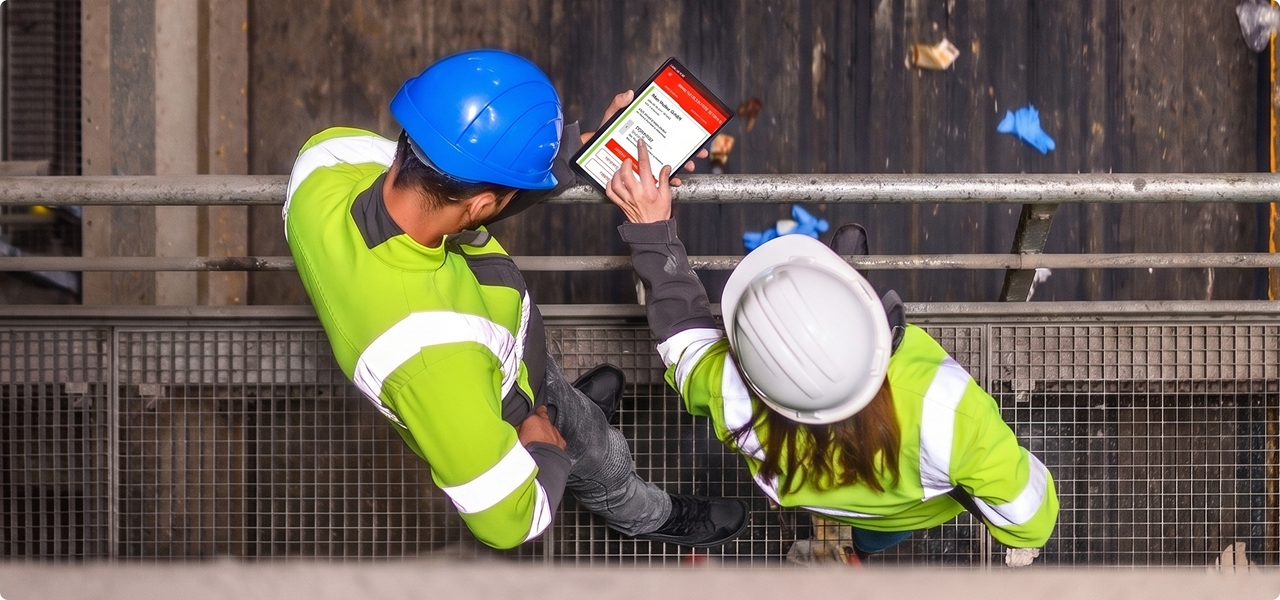
Disposal and recycling companies
Orders change, routes have to be adjusted, and feedback keeps coming in from the field. At the same time, data is created in many places and needed in the next step of the process. If it does not flow reliably between systems, duplicated work and errors follow.
Digitalisation connects these workflows into one continuous process. Order data travels straight from the ERP system into the vehicle, changes from scheduling are available immediately, and confirmations flow back without extra data entry. Material and weighing data is ready wherever it is needed.
This is achieved with custom software that is fitted seamlessly to the existing system landscape and works smoothly with it.
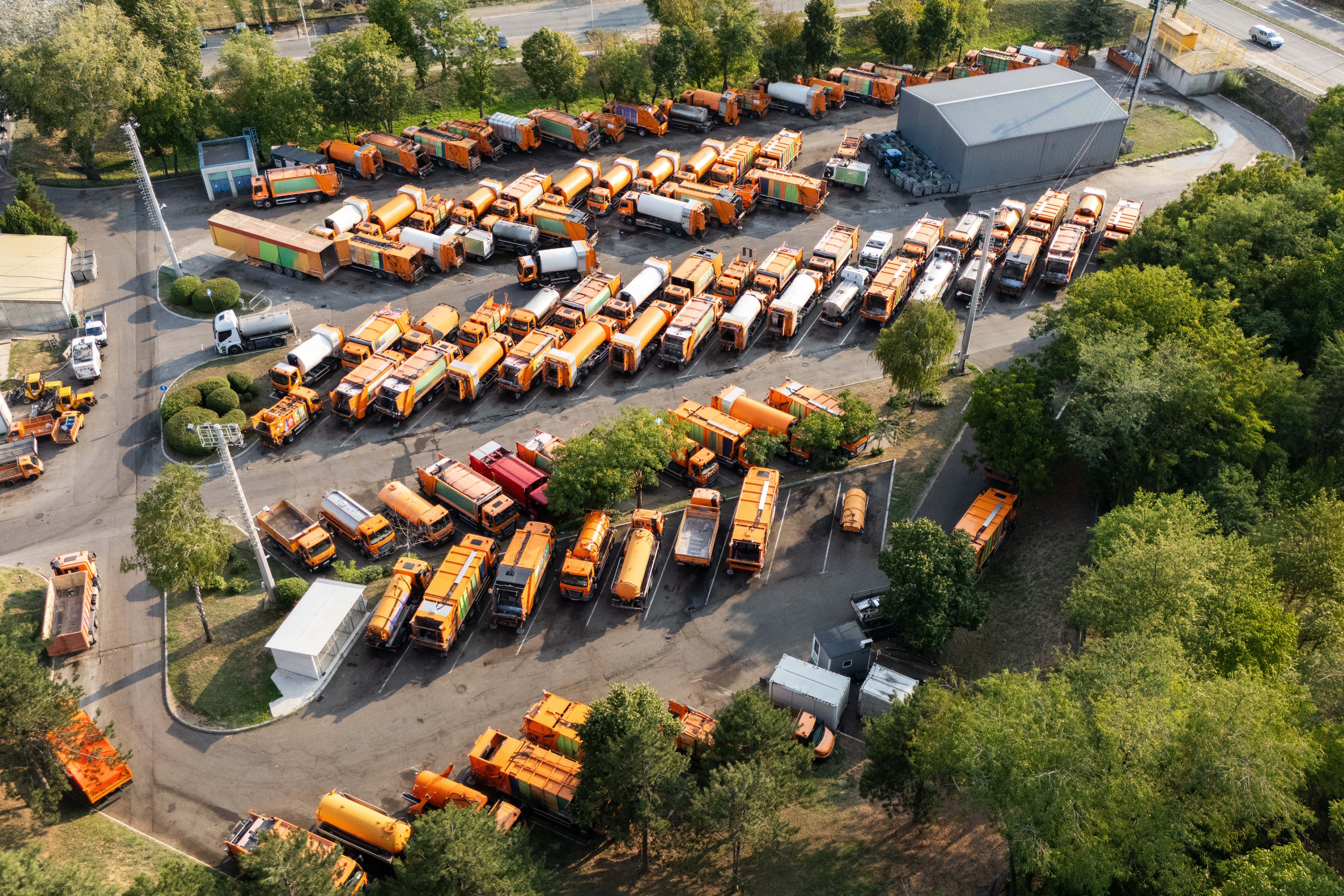
Metal and scrap recycling
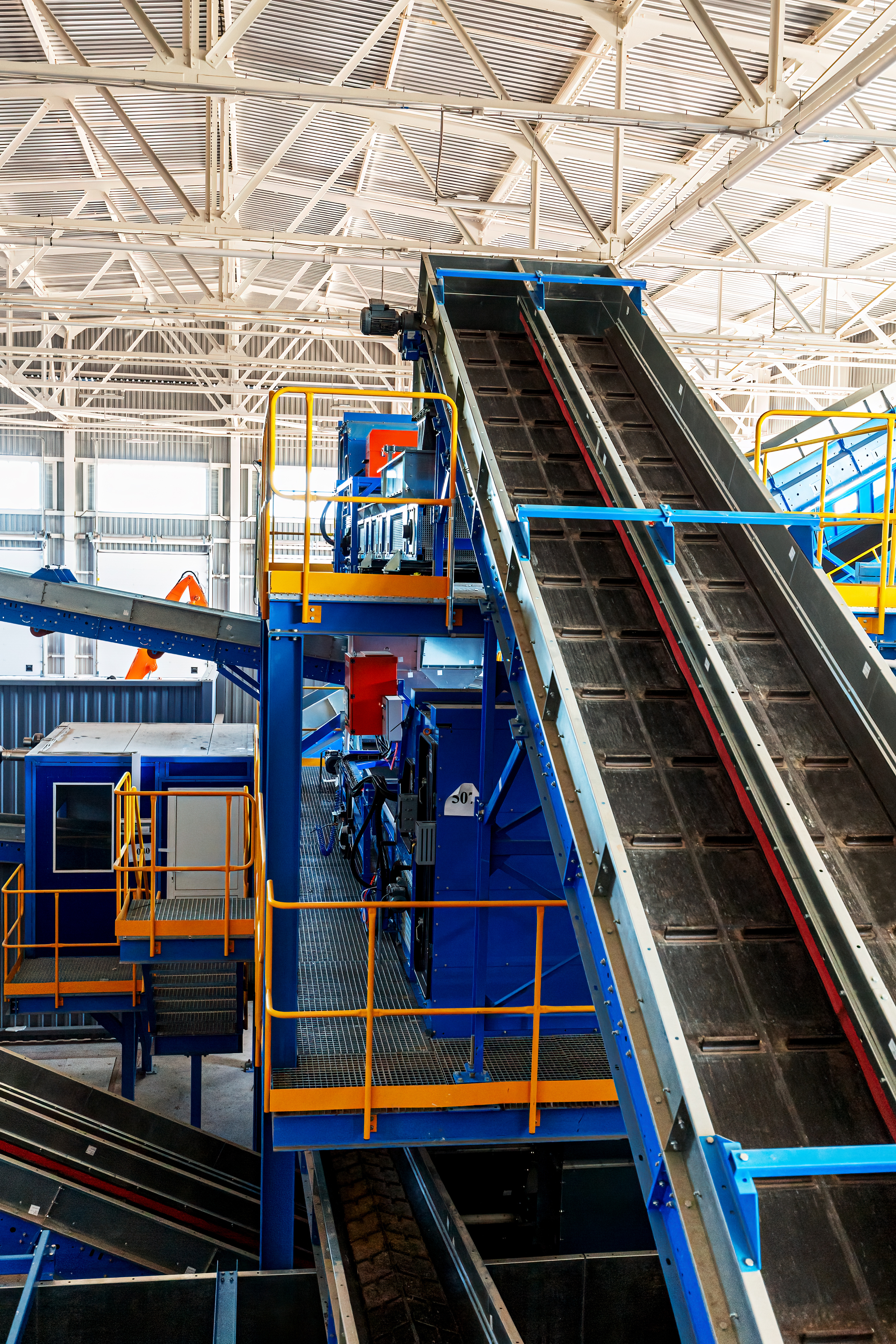
Materials change locations, are weighed, processed and resold. For these workflows to function, information about quantities, qualities and stock levels has to come together reliably. Without a shared overview, material movements become hard to trace and trading processes needlessly complex.
Digital solutions create transparency across these workflows and connect information from different systems. Incoming and outgoing material can be tracked across sites, contract processes mapped digitally, and existing data processed further without additional manual steps.
Especially in grown system landscapes, the goal is therefore often not to replace existing software. What matters is closing the gaps between the systems.
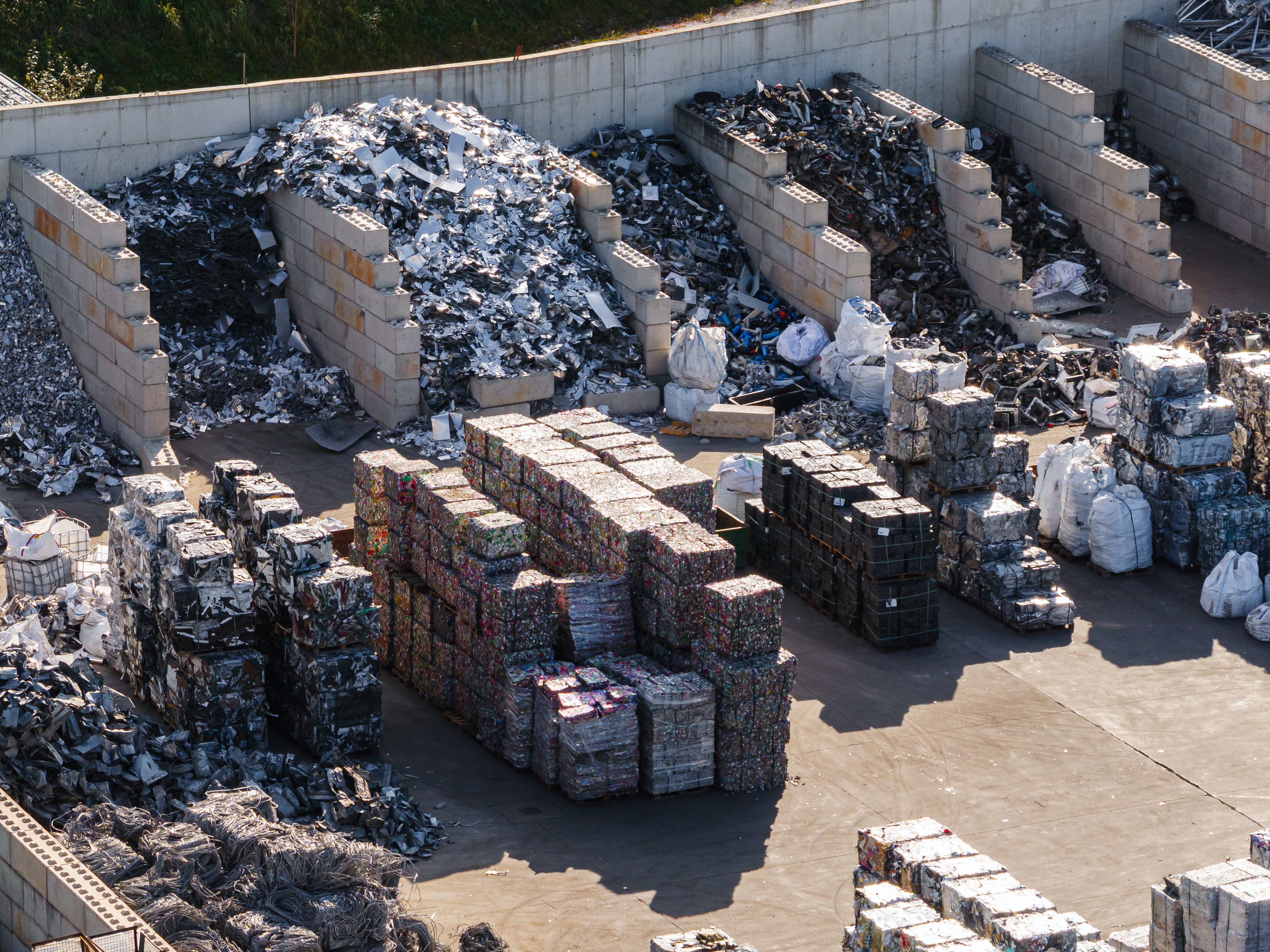
Industry knowledge becomes solutions
Over the years, our work in the circular economy has produced a wide range of digital solutions – for example driver and dispatch tools, material flow portals, digital contract processes, and platforms for quantity reporting and compliance.
They all have one thing in common: they start where processes should become simpler, information more accessible, or existing systems meaningfully connected.
PROs and licensing systems
Producer responsibility organisations and licensing systems process large volumes of reporting data. Companies submit quantities, entries have to be checked, and deadlines kept in view. At the same time, documents and past reports must remain traceable at all times – often across different regulatory requirements.
Digital solutions make these processes clearer and safer. Users are guided through reports step by step, entries are validated immediately, and missing information is caught early. Deadlines, status and documents stay visible in one place, while the data is connected to existing systems in the background.
The result is an end-to-end digital process that makes recurring compliance tasks easier.
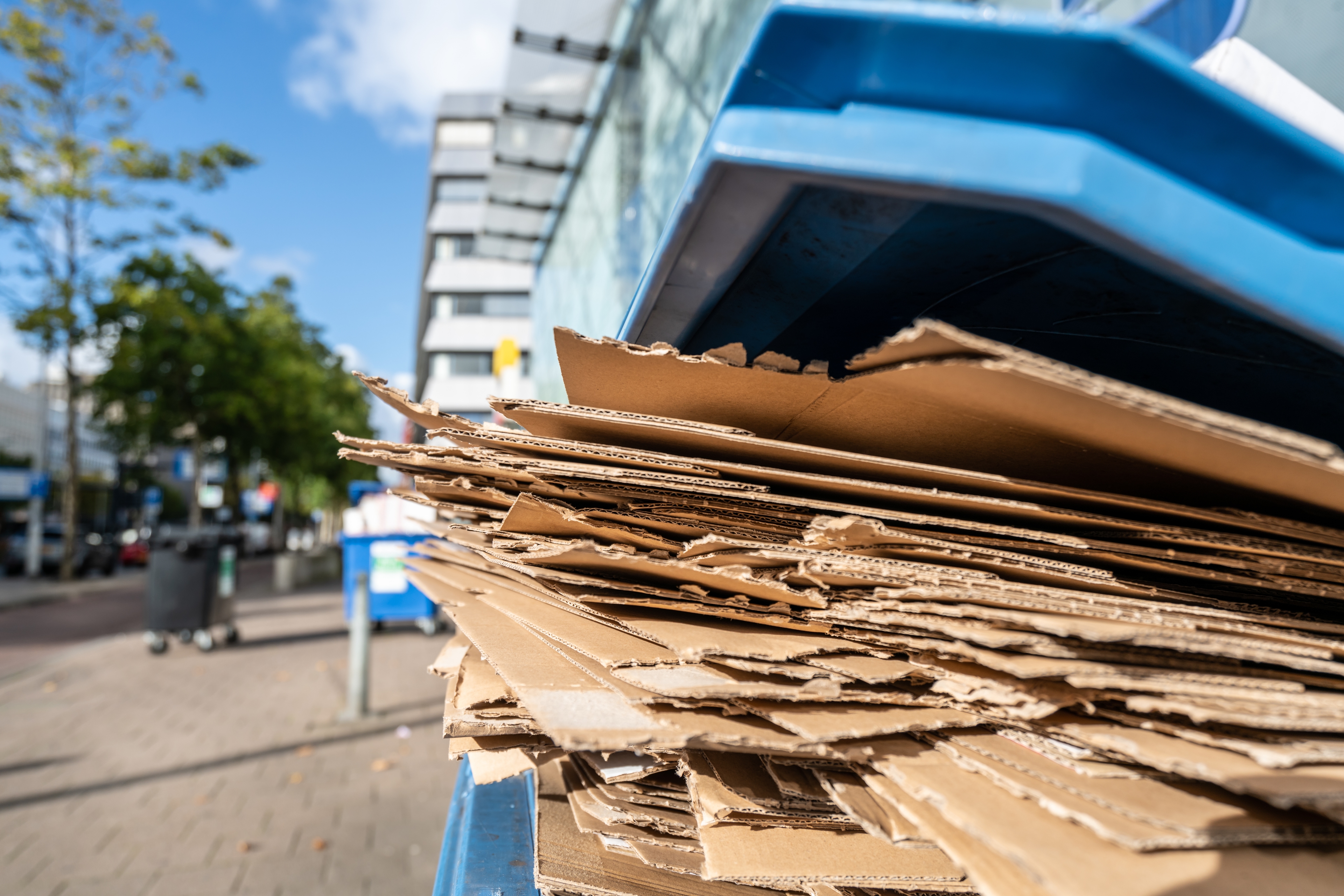
Industry and manufacturing companies
In circular business models, materials should stay in the loop for as long as possible, with individual steps handled by external partners. That means information has to be available beyond the boundaries of the company itself.
Digital solutions create the necessary connection between everyone involved. They can map take-back and service processes, make product and material data centrally available, and pass it on to retail, logistics, repair or recycling partners.
Which integrations – for example with an existing ERP system – and which new developments make sense depends on the business model and the existing system landscape. That is why we clarify the process and target picture first, and only then plan the technical implementation.
Let's talk about your project
You bring the challenge, we bring structure, experience, and a focus on what matters. Together, we develop solutions that are not only well thought out but also truly work in everyday life.
Build for Circular Reality.
- Since 2014
- Graz · Athens
- 120+ developed digital products
- 35 experts in the circular economy